
How to Test Directory Revenue Before You Have a Large Audience
A new directory can sell a useful service before it attracts a large audience. Start with work you can deliver directly.
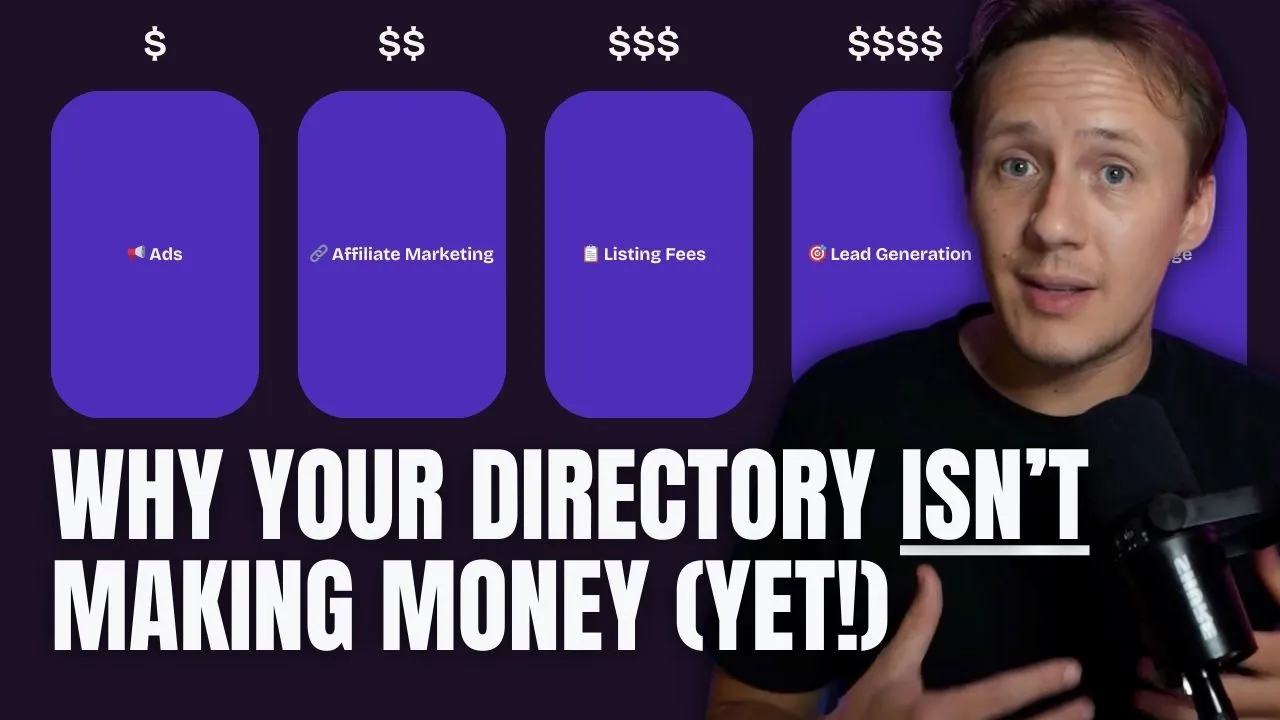
A new directory can sell a useful service before it attracts a large audience. Start with work you can deliver directly.
Advertising and affiliate revenue usually need relevant visitor activity. A concierge service can begin with a few carefully chosen customers. A concierge service means you help customers complete the task manually before building more automation.
Separate traffic revenue from service revenue
Display advertising depends on impressions or clicks and the network's payment rules. If an illustrative CPM is $2.80, 100,000 paid impressions produce $280, not $1,400. CPM means cost per thousand impressions. The figure is an assumption, not a typical rate for your niche. Page views and paid ad impressions are different measures.
Affiliate revenue depends on the program's rules and qualifying referrals. In the original Booknotes.ai example, book links introduced readers to Amazon purchases. That historical example does not establish current revenue or commission rates.
Listing fees can work when vendors receive a useful service or access to relevant buyers. When I launched Unicorn Factory in New Zealand, I started with a freemium model and later introduced paid participation. A small audience does not make every paid listing worthless. It makes the promised value especially important.
For more options, compare marketplace revenue models.
Start with a concierge offer
Consider this hypothetical example: a local directory helps businesses find a photographer for a specific job. The directory operator receives the brief, checks availability, and prepares a shortlist. The buyer pays for a defined matching service, rather than an unproven stream of website traffic.
Write the offer clearly:
- Who it serves: businesses in one location with one type of photography need.
- What it delivers: a checked shortlist within an agreed time.
- What it excludes: photography work, a set number of bookings, and unrestricted revisions.
- How payment works: a stated matching fee and refund conditions.
- What success means: the buyer receives suitable, available options.
Choose the fee from delivery costs and customer value. Do not copy a price from another niche.
Model one pilot
The figures below are assumptions, not a case study:
| Item | Assumption |
|---|---|
| Matching fee | $150 per completed request |
| Delivery time | 2 hours per request |
| Internal hourly cost | $40 |
| Delivery cost | $80 |
| Gross contribution | $70 before other costs |
| Five completed requests | $750 revenue and $350 contribution before other costs |
Payment fees, refunds, software, sales time, and tax reduce the remaining amount. If delivery takes four hours instead, the $160 time cost exceeds the $150 fee. Measure actual hours before promising a lower price or faster turnaround.
Find customers through direct conversations
Identify a small group with the specific need. Ask how they currently find suppliers and what causes delays. Offer the pilot only when you can explain its deliverable. Request permission before publishing supplier details. Confirm availability before making introductions. Record briefs, responses, completed shortlists, and customer feedback.
Do not send suppliers low-quality requests simply to create activity. Define a qualified enquiry: relevant service, location, budget, timing, and permission to contact. Use those conditions to decide whether a request fits the pilot.
Test paid acquisition with explicit assumptions
Paid ads buy an opportunity to reach people. They do not prove demand or bring profitable customers. For a hypothetical experiment, set a $200 budget and assume $2 per click. That buys approximately 100 clicks if the assumption holds. At an assumed 5% enquiry rate, you receive five enquiries. If two become paying requests, acquisition cost is $100 per customer.
With the $70 contribution above, that experiment loses $30 per customer before other costs. A positive return needs a different price, lower costs, better conversion, or verified repeat purchases. Do not count repeat revenue until customers actually return.
Set a spending limit and stop when it is reached. Review enquiry quality before extending the test. Keep paid placement transparent and do not sell unavailable services.
Build the directory from repeated needs
Repeated requests show which filters and listing details matter. Add useful supplier pages, location information, and a simple enquiry path based on those requests. Search traffic can develop over time, but there is no fixed timeline or ranking. Content can help people make a decision even before you have a large following.
Add other revenue only after proving value
Paid listings, sponsorships, affiliate links, and lead fees can complement a useful directory. Explain what each payer receives and keep customer trust central to the offer. Review marketplace pricing lessons before introducing recurring charges.
Your next step is to write one concierge offer and its cost calculation. Test it with real conversations before building a larger directory or launching an ad campaign.
Original video
Watch the original video on How to Test Directory Revenue Before You Have a Large Audience.
Keep learning
More guides, free videos and course access for existing members, all in one place.
Go to LearnRather have it built for you?
We'll match you with vetted agentic talent who build it with AI, inside the tools you already use.
Schedule a callRelated posts

How to Monetize a Directory Website with Paid Online Communities
A directory can introduce vendors to a paid community. The community needs its own useful offer beyond exposure on your website.
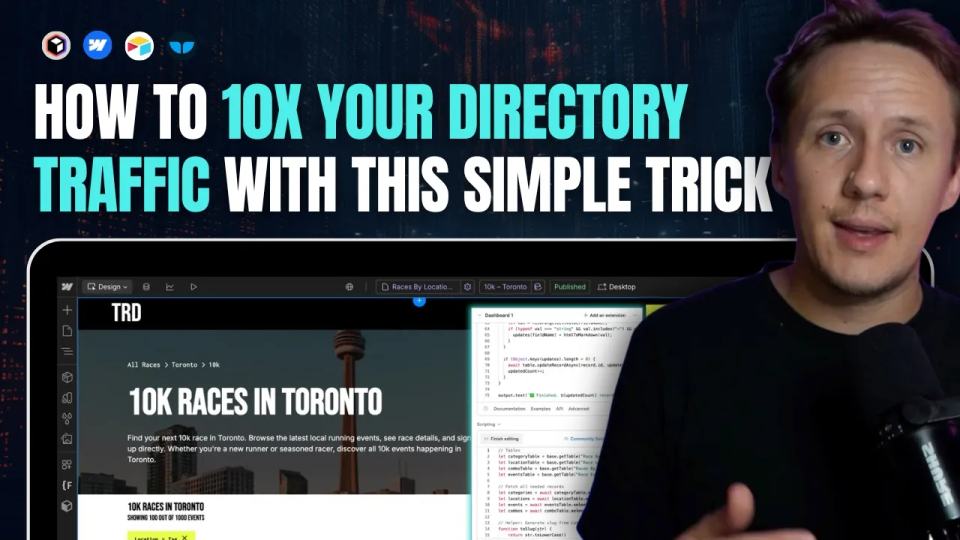
Build Directory Category and Location Pages for Long-Tail Searches
Design directory category and location pages with useful listings, unique URLs, checked sync behavior, and realistic SEO expectations.
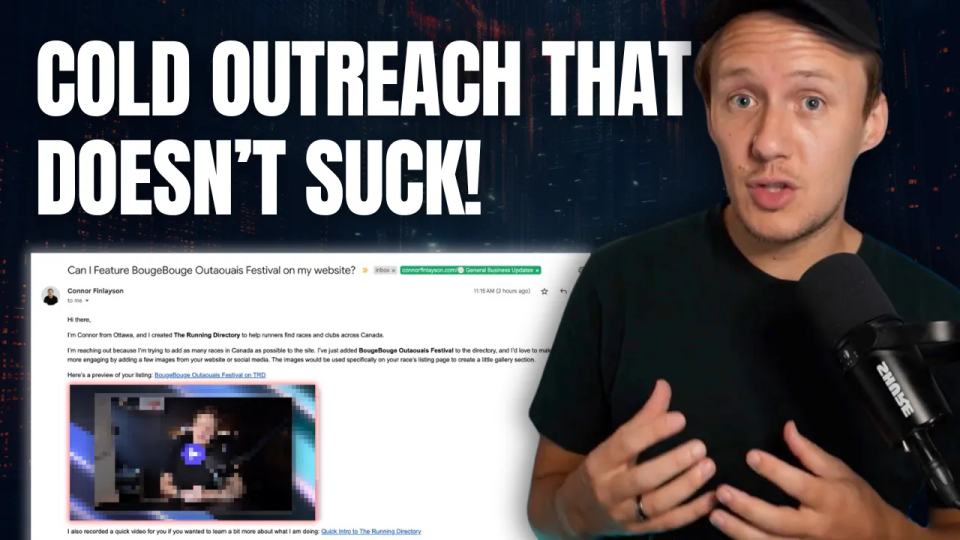
How to Build a Directory Outreach System
Prepare directory outreach drafts using listing previews and videos. Keep sends manual and track replies and stop rules.