
My No-Code Tools Stack (2020 Edition)
My 2020 Unicorn Factory tool stack explains Webflow, Airtable, Zapier, Memberstack, Jetboost, Parabola, and MailerLite roles.

 Airtable
 Webflow
Watch: My No-Code Tools Stack (2020 Edition)
This is my 2020 Unicorn Factory stack review, following my earlier No-Code Conference talk in San Francisco. It records how the platform worked at that time. Tool roles and business figures below are historical.
What Is Unicorn Factory?
Unicorn Factory is a two-sided marketplace that connects New Zealand businesses with local freelancers. Here’s how it works:
- For Clients: Businesses can browse freelancer profiles, filter based on skills, experience, and availability, or post project briefs on our job board. From there, freelancers apply directly, making the hiring process quick and frictionless.
- For Freelancers: Freelancers have a dashboard where they can browse job postings, track profile visits, update their availability and rates, and even celebrate wins with our Slack-integrated deal tracker.
In this 2020 review, I reported over 2,000 applicants, 550 active freelancers, and more than 1,600 hiring businesses. Unicorn Factory launched in June 2018. The Canada expansion also belongs to that period. And the best part? It was built without funding, developers, or coding knowledge.
The No-Code Tools I Use
Let’s look at the core tools that power Unicorn Factory. These are the roles the tools served in that version of the platform.
1. Webflow
Webflow is where my no-code journey began. It’s a visual website builder that lets you design mobile-responsive websites without writing code. Here’s why it’s great:
- Visual Design: Drag-and-drop elements like text, images, and forms onto the page, and Webflow automatically generates the underlying code.
- CMS Functionality: Webflow’s content management system (CMS) allows you to create template-driven pages, like freelancer profiles or case studies, populated dynamically from your database.
When I first tried Webflow, I struggled to figure it out. But after diving into tutorials on YouTube and Webflow University, I got the hang of it. If you stick with it for a few months, you’ll unlock some serious design superpowers.
2. Airtable
Airtable acts as the database for Unicorn Factory, storing all freelancer and client information, transactions, and profile updates. Here’s why Airtable is a game-changer:
- Sleek Interface: Organize and visualize data with ease.
- Filtered Views: Create custom views for different use cases, like showing only freelancers who are ready to be published on the site.
- Automation: With integrations like Zapier and Make.com, you can connect Airtable to other tools for seamless data flow.
Airtable’s mobile app also lets me manage everything on the go, whether approving new freelancers or updating records.
3. Zapier
Zapier connects apps and automates workflows. For example, it sends data from Airtable to Webflow when a freelancer is approved. Zapier connected the tools in this historical setup. Setting up Zaps (automated workflows) is incredibly satisfying and saves hours of manual work.
4. Memberstack
Memberstack enables user accounts and gated content on Webflow sites. Freelancers can log in, update their profiles, and access additional features like analytics. Memberstack also handles payments, making it easy to monetize your platform.
5. JetBoost
JetBoost adds advanced filtering and search functionality to the freelancer directory, improving the user experience. For instance, clients can filter freelancers by skills, availability, and rates, making it easier to find the perfect match.
6. Parabola
Parabola helps keep all platforms in sync, especially for bulk updates. For example, when updating payment plan names, Parabola ensures consistency across Airtable, Webflow, and other tools without manual effort.
7. MailerLite
MailerLite handles email marketing for onboarding freelancers and reminding them about profile updates. It’s simple to use and perfect for creating automated email sequences.
Getting Started with No-Code
If you’re ready to dive into no-code, here are a few tips to get started:
- Pick One Tool to Learn First: I recommend starting with Webflow. It’s a fantastic entry point and gives you visible results quickly.
- Stick with It: Learning no-code tools takes time. It took me 4-5 months to feel comfortable with Webflow and a year to launch Unicorn Factory. Be patient.
- Start Small: Build a simple directory or landing page before tackling a full marketplace.
- Leverage Community Resources: Platforms like Webflow and Airtable have excellent tutorials and communities ready to help.
Choose your next tool from a requirement
The practical lesson is assigning each tool a clear job, such as public pages, stored records, accounts, or notifications. For a later snapshot, compare my 2024 marketplace stack. Before subscribing, estimate operating costs using your expected volume and maintenance work.
Keep learning
More guides, free videos and course access for existing members, all in one place.
Go to LearnRather have it built for you?
We'll match you with vetted agentic talent who build it with AI, inside the tools you already use.
Schedule a callRelated posts
Circle AI Agents Review: Automate Community Management with AI
Read my Circle AI Agent tests, current plan notes, and a support-demand method for evaluating cost and answer quality.
How to Import Relume Styles and Pages into Webflow
Approve a Relume sitemap and style direction, import one page into Webflow, and check classes, content, and accessibility.
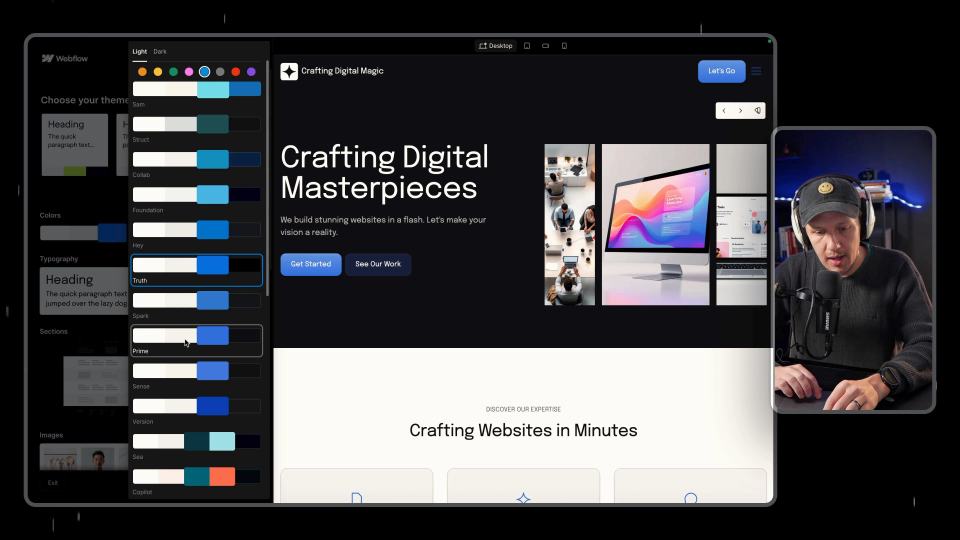
Webflow AI Site Builder: My HueSync First Look
I used a fictional Canadian agency, HueSync, to explore Webflow's AI site builder. The first look showed a useful starting layout, followed by editing work inside Webflow. I still needed to review the copy, images, forms, and mobile spacing.