
How to Diagnose Common Webflow Performance Issues with Lighthouse
A slow Webflow page needs a measured diagnosis before you change its design. Lighthouse provides a repeatable starting point.

 Webflow
A slow Webflow page needs a measured diagnosis before you change its design. Lighthouse provides a repeatable starting point.
Use your own reports for the comparison below.
Record a baseline
Open the target page in Chrome. Open DevTools, select Lighthouse, then choose a mobile performance audit. Use the same URL, browser profile, device setting, and network conditions for each comparison. Run three audits and save the reports. Compare the middle result rather than choosing the highest score.
Record Largest Contentful Paint, Cumulative Layout Shift, and Total Blocking Time beside the performance score. These describe loading, visual stability, and blocked browser work. They do not prove conversion improvements. Lighthouse documentation explains the audit options. Google's variability guidance explains why repeated measurements matter.
Fix an oversized image
Check the image identified by the Largest Contentful Paint audit. Inspect its transfer size and displayed dimensions. For example, a large original photograph may serve a much smaller profile card. Resize the source image to suit its display size. Compare quality before uploading the replacement. Use Webflow's image conversion tool where appropriate. Responsive images depend on how you add the image. Keep the main visible image available during initial loading. Lazy loading suits images farther down the page.
If CMS images dominate downloads, review how to convert Webflow CMS images to WebP. Check each relevant Collection template after replacing an image.
Reduce unnecessary scripts
Open the report's third-party and JavaScript findings. List scripts from page embeds, site settings, and installed tools. Remove a script only after identifying what it supports. A retired chat widget is a useful first candidate. Payment, consent, analytics, and form scripts need functional checks. Test changes on a staging site. Check navigation, forms, and any remaining integrations.
Measure the result
Repeat the same three audits after one change. Record the middle result and the change you made. Keep improvements that reduce the relevant metric without breaking the page. Check desktop and a phone-sized layout too. A higher laboratory score does not establish better real-user results.
Start with one page and one issue. That gives you a comparison you can explain.
Original video
Watch the original video on How to Diagnose Common Webflow Performance Issues with Lighthouse.
Keep learning
More guides, free videos and course access for existing members, all in one place.
Go to LearnRather have it built for you?
We'll match you with vetted agentic talent who build it with AI, inside the tools you already use.
Schedule a callRelated posts
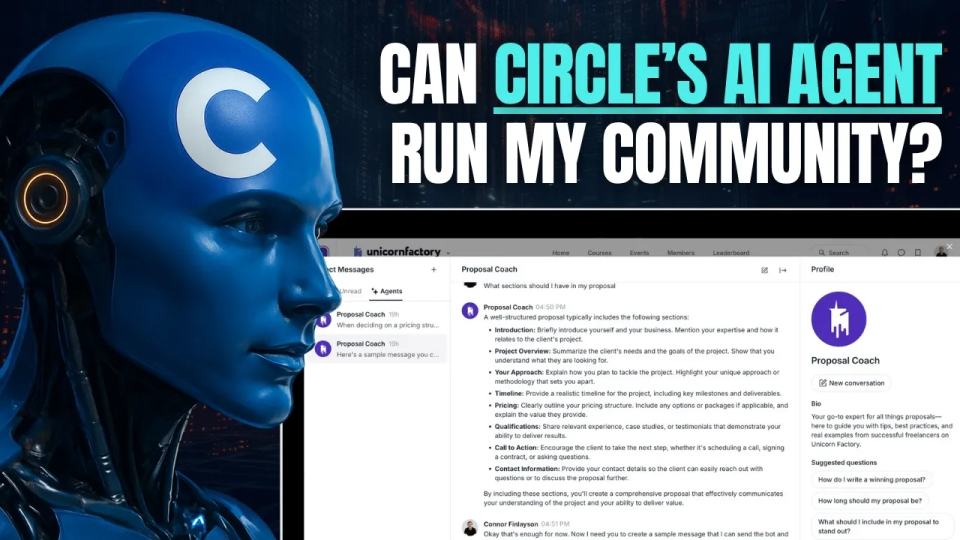
Circle AI Agents Review: Automate Community Management with AI
Read my Circle AI Agent tests, current plan notes, and a support-demand method for evaluating cost and answer quality.
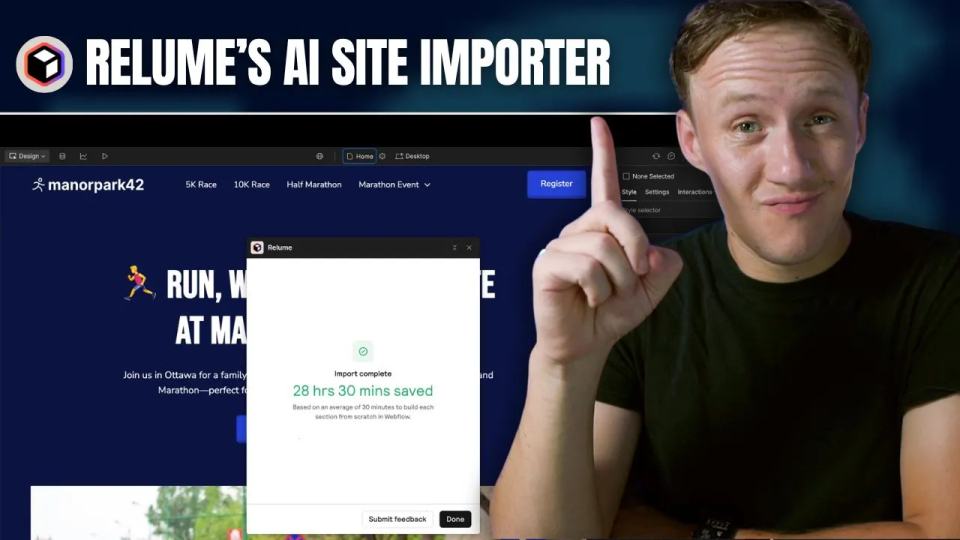
How to Import Relume Styles and Pages into Webflow
Approve a Relume sitemap and style direction, import one page into Webflow, and check classes, content, and accessibility.
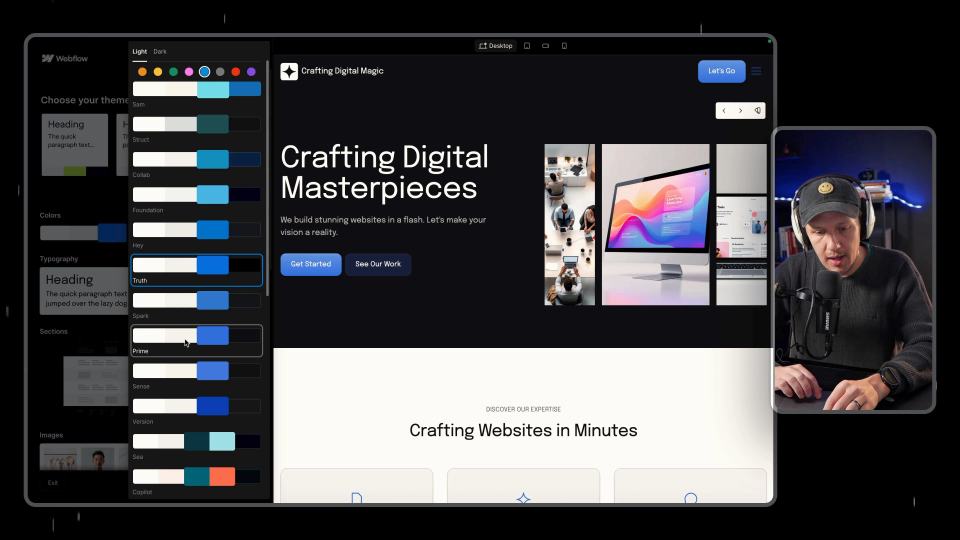
Webflow AI Site Builder: My HueSync First Look
I used a fictional Canadian agency, HueSync, to explore Webflow's AI site builder. The first look showed a useful starting layout, followed by editing work inside Webflow. I still needed to review the copy, images, forms, and mobile spacing.