
Choose an Automation Tool: Events, Bulk Work, or Sync
I used five automation tools around Unicorn Factory: Zapier, Integromat, Parabola, Airtable Automations, and Nobull. Integromat is now Make. Each tool addressed a.

 Make
Make Zapier
 Whalesync
I used five automation tools around Unicorn Factory: Zapier, Integromat, Parabola, Airtable Automations, and Nobull. Integromat is now Make. Each tool addressed a different kind of work. Choose the job before comparing subscriptions.
Event: One record starts several actions
I used Zapier for an Airtable record entering a view and then joining a MailerLite workflow. Another historical workflow used several actions after approving a freelancer. For a new workflow, check that every required connector supports the exact action you need.
My Make example received a Webflow form submission, stored it in Airtable, and notified Slack. Its visual routes helped me inspect how the data moved. Study the marketplace Make workflow when branching and transformations are part of the job.
Bulk: Join and transform a dataset
Parabola handled larger collections of records in my original stack. Examples included combining freelancer skills with Webflow content and updating freelancer analytics from page-view data. The analytics example used a 30-day window and page paths to match profiles.
Preview joins before exporting. Use stable identifiers rather than matching only a person's name or city label. One-to-many joins can multiply rows unexpectedly. Keep unmatched rows visible so a missing identifier does not silently discard useful data.
Internal: Keep work inside Airtable
Airtable Automations can update fields, react to record changes, and schedule internal work. My examples included profile updates and a weekly digest. They fit tasks where Airtable already holds the relevant data. Evaluate Airtable Automations before adding another subscription for an internal step.
Sync: Keep mapped content aligned
Nobull's historical tour moved Webflow content into Airtable and edited content back to Webflow. Treat that round trip separately from continuous conflict-safe two-way syncing. Set field ownership, saved item IDs, and publishing rules before enabling either direction.
Compare current costs fairly
Zapier's pricing, Make's pricing, and Airtable's pricing use different limits. Count a representative workflow's actions, branches, retries, and expected monthly volume. The cheapest entry plan may not include the action or capacity you need.
My earlier decision to move some work from Zapier reflected my setup at that time. It is not a current claim that one provider always costs less. Run one small example, record its usage, and test a failure before moving the whole workflow.
Keep learning
More guides, free videos and course access for existing members, all in one place.
Go to LearnRather have it built for you?
We'll match you with vetted agentic talent who build it with AI, inside the tools you already use.
Schedule a callRelated posts

Build Custom AI Agents for Other Businesses
Scope a custom business agent around one workflow, approved sources, read-only testing, and human review.
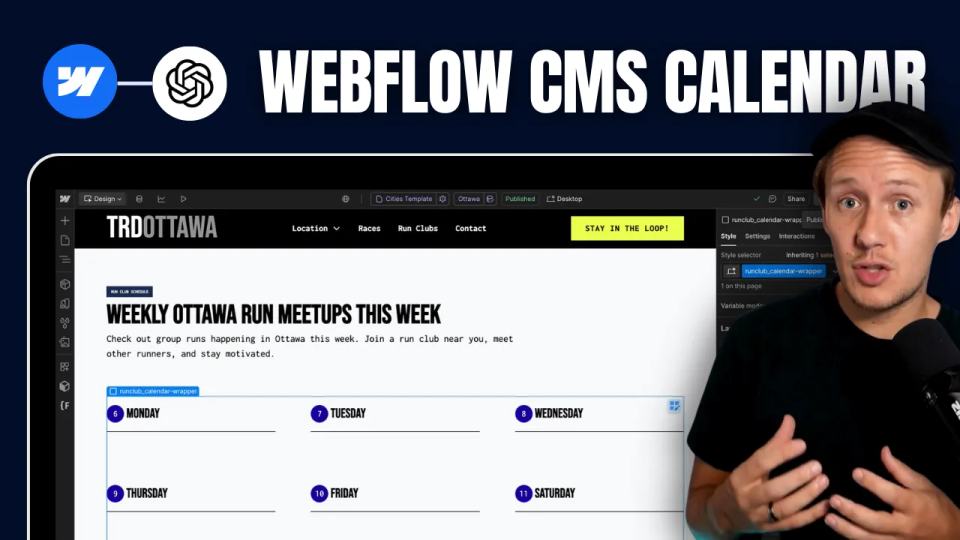
How to Build Custom Webflow CMS Features with ChatGPT & AI
I built a weekly calendar for The Running Directory Canada using Webflow CMS content and ChatGPT-assisted JavaScript. The calendar grouped run-club events by weekday and moved today's day to the front.
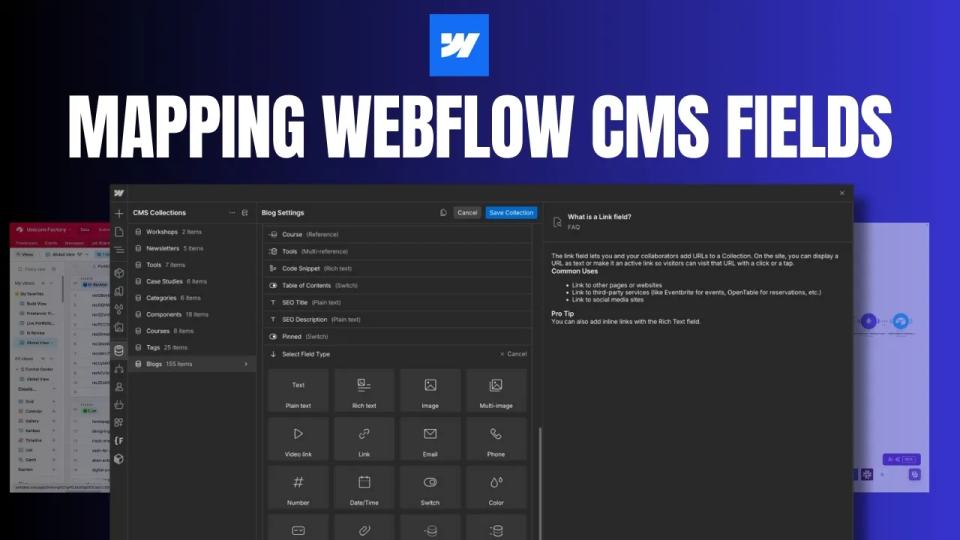
How to Map Common Airtable Fields to Webflow CMS
Map Airtable values to Webflow CMS types using option IDs, image objects, deterministic rich text, and staged JSON examples.